Immediate Steps to Take When a Dental Emergency Occurs
When a dental emergency happens, clear-headed action in the first few minutes can make a big difference. If you or a family member experience severe pain, uncontrolled bleeding, a knocked-out tooth, or swelling that affects breathing or swallowing, prioritize safety and seek urgent care. At home, gentle measures such as rinsing with warm water, applying a cold compress to the cheek to reduce swelling, and using a clean cloth to control bleeding can help stabilize the situation until you reach professional care.
For knocked-out teeth, try to handle the tooth by the crown (the chewing surface), not the root. If possible, place the tooth back into the socket with clean hands and hold it in place. If reinserting is not possible, keep the tooth moist by placing it in milk or a tooth preservation solution; avoid storing it in plain water for extended periods. Saving the natural tooth is often possible when it receives prompt attention, so quick, calm action matters.
Make sure you communicate clearly about the incident and any medical history when you contact the dental office. Tell the team whether you’re taking blood thinners, have heart or bleeding disorders, or are allergic to any medications. This information helps the dental team prioritize treatments and manage risks from the moment you arrive.
A Practical Guide to the Types of Urgent Dental Problems We Handle
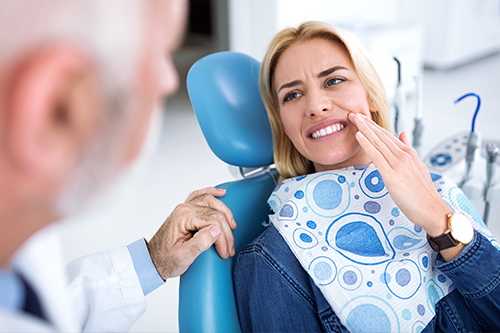
Dental emergencies come in many forms, from sudden toothaches to injuries caused by sports or accidents. We regularly treat acute toothaches that signal deep decay or infection, fractured or chipped teeth from trauma, and dental hardware problems such as loose crowns or broken fillings that expose sensitive tissue. Immediate attention prevents complications and often preserves more of the natural tooth structure.
Infections and abscesses require timely management to stop the spread of bacteria and reduce pain. Swelling, fever, or persistent pain that won’t respond to over-the-counter remedies are signs that infection control and prompt intervention are needed. Prompt care can reduce the need for more invasive procedures later and help protect overall health.
Other urgent conditions include problematic wisdom teeth that cause intense pain or swelling, ill-fitting dentures that cause sores, and soft-tissue injuries affecting the lips, cheeks, or tongue. We also evaluate suspicious lumps, lesions, or unexplained oral bleeding promptly so underlying causes can be identified and treated.
- Severe tooth pain or persistent aching
- Chipped, fractured, or broken teeth
- Knocked-out (avulsed) teeth
- Loosened or lost crowns and fillings
- Facial swelling or dental abscesses
- Broken, ill-fitting, or sore-causing dentures
- Impact injuries from sports or accidents
- Bleeding or painful soft-tissue injuries
- Problematic wisdom teeth
- Suspicious lumps, sores, or persistent oral lesions
How We Assess and Stabilize Acute Dental Conditions
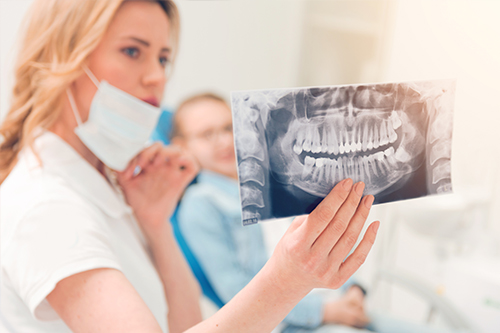
On arrival, patients receive a focused evaluation to prioritize care. The dental team begins with a clear history and a hands-on exam to identify the problem’s source. If infection, trauma, or structural damage is suspected, diagnostic imaging such as digital X-rays helps determine the extent of damage and guides immediate treatment decisions. This triage approach ensures the most urgent issues are handled first.
Pain control and infection management are central to stabilization. Depending on the situation, we may use local anesthesia to make procedures comfortable, prescribe medications to manage pain or infection, or perform simple interventions that relieve pressure and prevent worsening. Our goal during the first visit is to stop pain, contain infection, and protect the tissues so definitive care can follow under controlled conditions.
When a tooth is fractured or a restoration has failed, temporary protective measures—such as placing a provisional filling or a splint—can preserve function and esthetics while we plan a permanent solution. Clear instructions for at-home care and warning signs to watch for are provided so patients know when to return immediately versus when to schedule follow-up treatment.
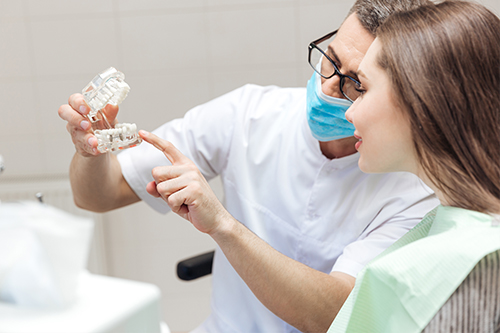
Unity Dental’s approach emphasizes rapid stabilization combined with compassionate communication. We aim to make patients comfortable, explain options in straightforward terms, and move efficiently from emergency management to a long-term treatment plan tailored to the patient's needs.
Treatment Paths: Saving Teeth, Rebuilding Strength, and Restoring Comfort
Treatment depends on the diagnosis and the patient’s overall oral health. For localized decay or minor fractures, we may restore the tooth with a filling or dental bonding to rebuild form and function. More extensive structural loss often requires a crown to protect the tooth and restore bite strength. These restorative steps are designed to preserve as much natural tooth as possible while returning the mouth to normal use.
If the pulp (the nerve and blood supply of the tooth) is infected or injured, root canal therapy is a reliable procedure to save the tooth by removing the damaged tissue and sealing the canals. Root canal treatment has a high success rate and can prevent the need for extraction when performed in a timely manner. We discuss the benefits and treatment sequence clearly so patients understand what to expect.
In cases where a tooth cannot be saved, extraction may be the safest option to resolve pain and infection. Modern tooth replacement options—including dental implants, fixed bridges, and removable prostheses—allow for restored function and a natural appearance. Advances in implant dentistry, in particular, offer long-term stability and can be integrated into a comprehensive recovery plan once the emergency has been resolved.
Treatment decisions always consider the patient's comfort, medical history, and personal preferences. We focus on predictable outcomes, using durable materials and evidence-based techniques to ensure long-term success and minimize the risk of repeat emergencies.
Aftercare, Recovery, and Steps to Reduce Future Risk
Following emergency treatment, clear aftercare instructions are critical for a smooth recovery. Patients receive guidance on pain management, oral hygiene during healing, what foods to avoid, and how to reduce swelling or control minor bleeding. We emphasize signs that warrant immediate return—such as increasing pain, spreading swelling, or persistent fever—so complications can be addressed without delay.
Long-term prevention blends routine care with practical advice. Regular checkups and timely treatment of small problems stop them from becoming urgent. Protective measures such as custom night guards for clenching or sports mouthguards for athletes reduce the risk of future fractures and injuries. Education about safe habits—like avoiding hard or sticky foods and using helmets or face protection during contact sports—helps patients protect their investment in oral health.
If tooth replacement is part of the recovery plan, we coordinate follow-up appointments to restore function while monitoring healing. The practice supports patients through each stage—from emergency stabilization to definitive restoration—so the mouth returns to health with minimal disruption to daily life.
In summary, prompt, coordinated care is essential when a dental emergency occurs. Our team treats urgent problems with a steady, evidence-based approach that prioritizes safety, pain relief, and preservation of natural teeth whenever possible. For questions about emergency treatment or to learn how we can help in an urgent situation, please contact us for more information.