Clear aligner therapy has reshaped how many people approach orthodontic care. Invisalign® uses a series of nearly invisible, custom-made aligners to move teeth gradually and predictably, offering an alternative to traditional brackets and wires. For patients who want an effective solution with a lower visual profile and flexible daily life, modern aligner systems can deliver controlled tooth movement with fewer aesthetic compromises.
How Invisalign® Works: The Science Behind the System
At the core of aligner-based treatment is a carefully planned sequence of small adjustments. A clinician captures precise digital records of the teeth and bite, then maps the movement of each tooth across the course of treatment. These incremental changes are translated into a series of clear trays — each one designed to be worn for a set period before moving to the next — so tooth movement is gradual and measured.
Advanced software lets clinicians visualize tooth movement in three dimensions before any aligner is fabricated. That planning stage is essential: it helps anticipate how teeth will respond to force over time, highlights where attachments or refinements may be needed, and provides a roadmap for monitoring progress. Because each aligner applies pressure in specific locations, the overall treatment can be controlled with a high degree of precision.
The materials used in aligners are engineered for consistent, gentle force and transparency. These thermoplastic materials are resilient enough to guide teeth while remaining discreet. Combined with a treatment plan tailored to each bite and aesthetic goal, the technology behind Invisalign® is designed to balance predictability with comfort.
From Scan to Smile: What Treatment Planning Looks Like
The first clinical step is a comprehensive exam that considers teeth, gums, and the overall bite relationship. Digital scanning or impression-taking captures a 3-D model of the mouth, which forms the basis for the digital treatment simulation. This simulation allows the clinician to propose a staged movement plan and to identify any adjunctive procedures that may be advisable to achieve the desired outcome.
During planning, clinicians evaluate the need for small, conservative procedures that support aligner effectiveness — for example, interproximal reduction (slight enamel reshaping) or the placement of discreet attachments on teeth that require rotational or vertical control. Each decision is made to improve predictability while keeping invasiveness to a minimum.
The planned sequence becomes a set of physical aligners that patients wear in order. Periodic check-ins allow the clinician to track progress and make any necessary refinements. Because the whole plan is modeled in advance, there is a clear framework for monitoring outcomes and making adjustments when indicated.
Daily Life with Clear Aligners: Practical Expectations
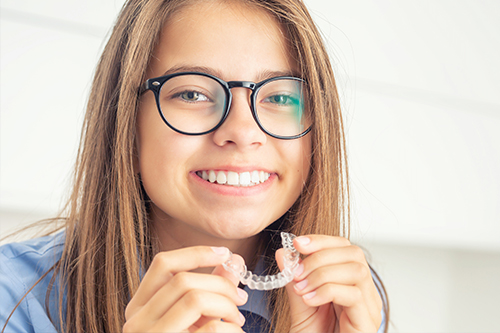
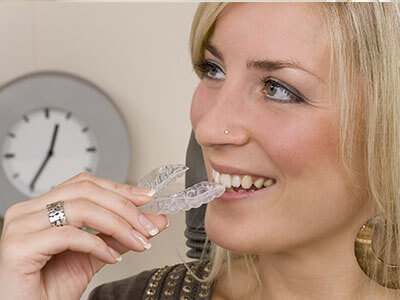
One of the main advantages of clear aligners is their removability for short periods. That means patients can continue their usual eating habits without food restrictions during meals, and oral hygiene remains straightforward since brushing and flossing are done without appliances in the way. Aligners should be worn for the recommended daily hours to maintain momentum in treatment and achieve the planned results.
It is normal to experience mild pressure or sensitivity when switching to a new aligner in the series; this is a sign that the aligner is working to move teeth. Any speech changes or awareness of the aligner typically diminish quickly as the mouth adapts. Cleanliness is also important: routine cleaning of aligners and consistent dental hygiene help prevent staining and maintain oral health throughout treatment.
Many patients value the low-profile appearance of clear aligners, but success depends on patient participation. Wearing aligners as instructed, attending scheduled progress visits, and following the clinician’s guidance about attachments or auxiliaries are all part of an effective, predictable treatment path.
Who Benefits from Aligner Therapy and When It’s Appropriate
Clear aligners are suitable for a wide range of alignment and bite concerns, including mild to moderate crowding, spacing, and certain bite corrections. Treatment candidacy depends on the specific alignment goals, periodontal health, and jaw relationships; a careful clinical assessment determines whether aligners alone are advisable or whether combined approaches (such as selective enamel reshaping or temporary anchorage) will improve outcomes.
Teen and adult patients commonly choose clear aligner options for aesthetic reasons or convenience, but suitability is guided by clinical factors rather than age alone. Some complex movements are more predictable with fixed appliances, while others respond well to aligner therapy when planned and monitored closely. The clinician’s role is to match the treatment modality to the clinical objectives and to set realistic expectations about what can be achieved conservatively.
When additional control is needed, clinicians may use small composite attachments, elastics, or other adjuncts to guide specific tooth movements. These supports are designed to be minimally invasive and to work in concert with the aligners to produce the intended corrections without unnecessary intervention.
What to Expect at Each Stage of Care with Our Team
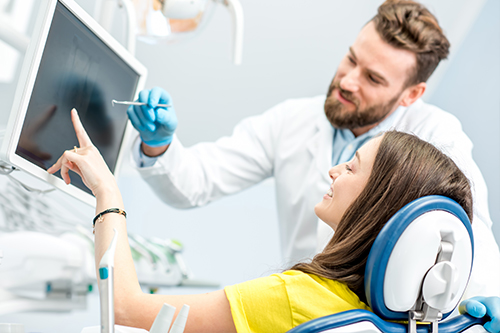
At Unity Dental, the treatment pathway begins with a thorough oral exam and a focused discussion of your goals. Following a digital scan, we review a proposed movement plan together and explain the sequence of steps required to achieve the intended alignment. This collaborative review helps patients understand the timeline, the role of aligner wear, and the checkpoints used to ensure progress.
After the aligners are delivered, follow-up visits are scheduled at regular intervals so the clinician can confirm alignment milestones and evaluate whether refinements are needed. These appointments are opportunities to address questions about day-to-day wear, maintenance, and any minor adjustments that optimize comfort and effectiveness. Dr. Sweety Patel and the clinical team emphasize clear communication and evidence-based decision-making at every stage.
Once active movement is complete, a retention phase helps stabilize the new tooth positions. Retention is an important part of long-term success; the clinician will recommend the appropriate type and duration of retention based on the case specifics. Throughout the journey, our focus is on conservative care, patient comfort, and predictable outcomes that respect each patient’s oral health and aesthetic priorities.
Personalized aligners combine digital planning with custom fabrication to guide safe, incremental tooth movement tailored to each patient.
Align Technology and similar developers have refined aligner systems by analyzing large sets of clinical outcomes to enhance fit, material performance, and treatment predictability. These improvements have expanded the range of cases that can be treated with aligners and have helped clinicians refine biomechanical strategies for more consistent results.
- Aligner treatment often offers a more discreet profile compared with traditional fixed appliances.
- Digital planning enables more precise visualization and staging of tooth movement before treatment begins.
- Modern aligner systems are designed to address a broad spectrum of alignment and bite issues when used with appropriate clinical oversight.
Because aligners are individually fabricated to fit the patient’s dental anatomy, each tray works as part of a coordinated plan that aims to move teeth efficiently while maintaining oral comfort. Regular clinical assessments ensure that the plan remains appropriate as treatment progresses.
Initial evaluation and digital records
A thorough exam and high-resolution digital scan provide the data needed to create a detailed treatment proposal. This step identifies oral health considerations that must be addressed before aligner therapy begins.
Custom treatment mapping and preview
Using specialized software, clinicians model successive tooth movements and produce a visual preview of the proposed pathway. This planning phase clarifies objectives and anticipated milestones.
Fabrication and delivery of aligners
Aligners are manufactured to the specifications of the treatment plan and delivered with instructions on wear time, cleaning, and care. The team reviews how to handle transitions between aligners and what to expect with each stage.
Ongoing monitoring and retention
Periodic clinical reviews help ensure that planned movements are occurring as expected. Once active treatment is complete, a retention strategy is put in place to preserve the new alignment.
Videos that explain the process
Short videos illustrate how aligner therapy works and what patients can expect during routine visits.
Invisalign® is a registered trademark of Align Technology, Inc.
Clear aligner therapy offers a patient-centered approach to orthodontic care that balances aesthetics, function, and comfort. If you would like to learn more about whether aligner treatment is appropriate for your smile, please contact our office for additional information and to schedule a consultation.