Call Today!
Coming Soon


At the office of Unity Dental, we take a practical, prevention-first approach to oral health. Routine oral exams are more than a quick look inside the mouth — they are a structured opportunity to understand the current state of your teeth, gums, and related structures, identify early signs of trouble, and create a tailored plan that supports long-term wellness. Our care philosophy balances modern diagnostic tools with clear explanations so patients can make informed choices without feeling overwhelmed.
Every exam is an invitation to learn: about daily habits, how medications or medical conditions affect the mouth, and what steps will best protect your smile. We treat patients of all ages and prioritize respectful, patient-centered care so every visit feels calm, efficient, and purposeful. When issues are found early, treatments are simpler and outcomes are better — which is why regular checkups are a cornerstone of lifelong oral health.
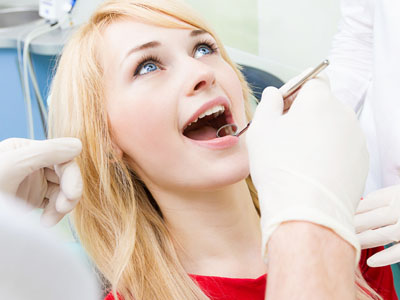
During a comprehensive exam we build a detailed snapshot of your oral health. The visit typically begins with a review of your medical and dental history to identify medications, recent health changes, or past dental experiences that may influence treatment. We then perform a methodical clinical inspection: teeth, gums, tongue, cheeks, the roof and floor of the mouth, and neighboring head and neck areas are checked for any signs of disease, unusual spots, or functional problems.
Part of the exam is assessing bite mechanics and jaw function to spot clenching, grinding, or temporomandibular joint (TMJ) concerns that can cause wear, discomfort, or headaches. If diagnostic images are recommended, we’ll explain why they’re useful and how they help reveal conditions that can’t be seen with a visual exam alone. The goal is to collect enough information to distinguish routine maintenance needs from issues that require timely intervention.
After the assessment, we discuss findings in straightforward terms and outline recommended next steps — whether that means a tailored hygiene plan, monitoring a minor concern, or scheduling restorative or periodontal care. Education is central to the process: people who understand the “why” behind a recommendation are better prepared to follow through and protect their oral health.
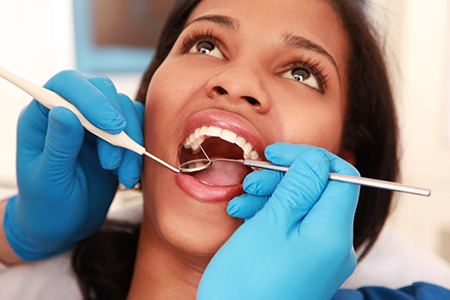
Oral health and overall health are closely linked. Conditions that begin in the mouth can influence systemic health, and conversely, diseases elsewhere in the body can produce oral symptoms. During exams we screen for gum disease, dental decay, oral lesions, and other signs that may warrant further medical attention or coordination with your physician — early detection can make a meaningful difference in outcomes.
Research has identified associations between poor oral health and conditions such as cardiovascular disease, diabetes, respiratory issues, and certain inflammatory conditions. While causation is complex and still under study, the consistent presence of oral-systemic connections underscores the value of regular screenings. A careful oral exam can reveal subtle clues — persistent inflammation, unusual tissue changes, or patterns of decay — that prompt appropriate follow-up.
We also look for factors that affect healing and disease risk, such as dry mouth (which increases cavity risk), medications that alter oral ecology, tobacco use, and dietary influences. By recognizing these contributors, we can recommend practical adjustments and preventive strategies that reduce risk and support overall well-being, not just short-term dental comfort.
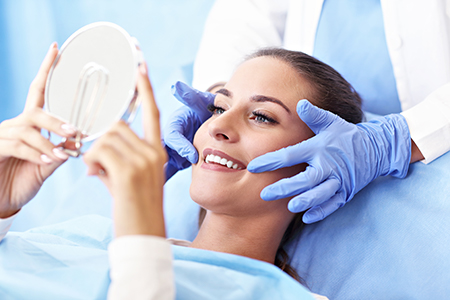
Professional cleanings and routine exams are complementary: cleanings remove plaque and hardened deposits that are difficult to eliminate at home, while exams identify problems before they progress. Even diligent brushing and flossing can miss tight contacts, deep grooves, or root surfaces; professional hygiene reduces bacterial load and helps prevent cavities and gum disease. We recommend a maintenance schedule that reflects each patient’s risk profile rather than a one-size-fits-all cadence.
Visits also provide a hands-on opportunity for personalized instruction. Our team demonstrates techniques, reviews tools, and offers practical tips for improving home care based on the unique anatomy of your mouth and your daily routine. Small, consistent changes in cleaning habits can produce major long-term benefits, and we support patients with realistic, achievable goals.
For children and adolescents, routine visits are especially important. Early exams establish healthy habits, allow us to monitor growth and tooth development, and flag potential orthodontic needs. Preventive measures are most effective when started early, and patient education at a young age helps set the stage for a lifetime of better oral health.
Surface inspections are essential, but many dental issues begin out of direct sight. Diagnostic imaging — from traditional 2D x-rays to contemporary 3D scans — reveals hidden problems like decay between teeth, infections at the root tips, bone loss, or unerupted teeth. These tools increase diagnostic accuracy and allow for precise, conservative treatment planning when problems are identified.
Digital radiography has transformed dental imaging: images appear almost instantly, require lower radiation doses than older film techniques, and can be enlarged and enhanced to highlight areas of concern. When appropriate, three-dimensional cone-beam computed tomography (CBCT) provides a volumetric view of the jaws and adjacent structures, which is especially useful for complex cases such as implant planning or evaluating pathology.
Safety and patient comfort are priorities. Imaging is used judiciously — only when it will change diagnosis or treatment — and we follow current guidelines to minimize exposure while maximizing clinical benefit. We’ll always explain the reason for recommended images and how the results will influence your care plan.
Not all images serve the same purpose. Bitewing x-rays are excellent for spotting decay between back teeth; periapical films show the entire tooth and root to detect abscesses or root problems; panoramic images provide a broad overview of the jaws, emerging wisdom teeth, and overall bony architecture. Each type of view answers a specific clinical question and helps us form a more complete picture of oral health.
In certain situations a full-mouth series of periapicals or a panoramic film gives the context needed to monitor development, plan restorative work, or track periodontal changes. For surgical planning, implant placement, or detailed anatomical evaluation, 3D imaging provides depth and spatial orientation that two-dimensional films can’t convey. We select the most appropriate imaging modality based on clinical findings and the information needed to plan safe, effective care.
All diagnostic images become part of your record, making it easier to track changes over time and to discuss options with you. When images reveal areas requiring attention, we present clear, prioritized treatment recommendations and answer questions so you can make confident decisions about your care.
At Unity Dental, our goal is to combine thoughtful, evidence-based diagnostics with patient-focused communication. Regular oral exams are an efficient, high-value way to protect your smile and support overall health. If you have questions about what to expect at an exam or would like to schedule a visit, please contact us for more information.
Yes. We always welcome new patients and their families for care. Feel free to give us a call or reach out to us online to schedule a first visit or for any additional information on our office. We look forward to hearing from you!
Routine dental checkups and professional cleanings help ensure your smile remains in tip-top condition and that any developing problems receive the prompt care they require. While it's a good idea to schedule a checkup and cleaning twice a year, longer or shorter intervals between routine visits depend on your specific needs.
We understand that life gets complicated and busy, and for various reasons, you haven't been able to get to the dentist for care. Don't worry; it's always a good time to get back in touch with the health of your smile.
At Unity Dental, we offer skilled and compassionate care to address a wide range of dental needs. Whether you need a simple checkup and cleaning, restorations, periodontal treatment, root canal therapy, or the replacement of missing teeth to get your smile back into shape, we provide precise, gentle, stress-free treatment to give you a smile that is as beautiful as it is healthy.
Give us a call today; we're happy to address all your questions and concerns about getting your smile back in tip-top condition.
For pregnant women, practicing good oral care and seeing the dentist to maintain a healthy smile is considered an important component of prenatal care. Researchers have found that pregnancy not only increases the risk of oral health problems, but these problems may also lead to pregnancy complications. At the office of Unity Dental, we provide the skilled and compassionate care required to help expectant mothers keep their teeth and gums in tip-top condition. While certain procedures are not recommended during pregnancy, we provide the necessary care and take all the necessary precautions required.
Thanks to advances in modern dentistry, teeth that have been affected by a range of imperfections or that have sustained damage from trauma or dental decay can be restored to produce a naturally beautiful looking and functional smile.
As skilled and experienced providers of care, our office can effectively improve and enhance the appearance of teeth that are stained, discolored, misshapen, chipped, fractured, gapped, crowded, or broken down due to dental decay. At the office of Unity Dental, we offer a comprehensive selection of the leading-edge cosmetic solutions from teeth whitening procedures, dental bonding, tooth-colored fillings, and veneers, to prosthetic solutions and dental implants to rebuild complete and beautiful smiles.
Contact our office to learn more about the many ways we can help you create the smile you've always wanted.
If you're visiting Unity Dental for the first time, it is helpful that you contact your former dental office and have your records sent over to us. Make note of any problems you may have so that you can discuss them with your dentist.
To provide efficient service, we ask you to please bring your insurance card, an ID, plus any referral slips or diagnostic records given to you by another office. If you are taking medications, please note or make a list of what they are as you will need to provide that information.
Yes! We assure you that both you and your family will be in good hands at the office of Unity Dental.
We do our best to make sure every patient who steps into our office for care is put at ease. We provide precise and gentle care and our skilled, compassionate team strives to make every visit stress-free. You can rest assured that your smile is in the best of hands and that we are doing all we can to ensure your comfort throughout every procedure. While we always take the time to explain every step in care, feel free to ask us any questions about local anesthesia and methods of dental sedation.
At the office of Unity Dental, we strive to provide the highest quality of care to address all your dental needs. Once we've had the opportunity to examine your smile, we can give you a clear picture of any dental issues that are present, along with a quote for what the cost of treatment will be. The cost of care all depends upon the extent and complexity of issues affecting the health or appearance of your smile and the types of procedures that are required. Our goal is to make dental care more affordable so that you can begin treatment without any additional stress or delay.
Keep in mind that with routine dental checkups and periodic care, we can help prevent dental disease while treating emerging problems early in their onset to avoid larger issues and more expensive care down the road.
Routine dental checkups and preventive care procedures may be covered under your dental insurance plan requiring little to no out-of-pocket expense. We invite you to check our financial information page or give us a call to find out if our office participates with your plan, and if you have any other questions about dental insurance, dental savings plans, forms of payment, or financing options. We welcome your inquiries and do our best to help you begin care without additional stress or delay.
If you've lost a tooth due to injury, decay, gum disease, or any other reason, we recommend dental implants to replace missing teeth. Dental implants come the closest to replicating the look, feel, and function of your natural teeth.
Absolutely! Both flossing and brushing regularly are equally important to maintain your oral health. While brushing cleans the surface of your teeth, flossing cleans in between them. Flossing is important to prevent plaque buildup, which can cause gums to recede and lead to periodontal disease.
Even if you have dentures, it is still necessary to see a dentist! Dental checkups help ensure that your dentures are comfortable, fitting properly, and that there are no other problems. Beyond assessing your dentures, our dentist will also perform a thorough examination of the jawbone, and surrounding soft tissues both inside the mouth, the face, and neck, to confirm that you remain in good oral health.
Emergency dental care is a service we hope you'll never need- but if you do, the office of Unity Dental is here for you!
Whether you're suffering from a chipped tooth, toothache, or any problem affecting your oral health, you can be sure to get the prompt attention and compassionate care you require at our office. Patient care and comfort are our top priorities, and we offer a comprehensive range of the most advanced services to address a broad spectrum of dental needs.
While the pain of a toothache is one of the more common reasons that patients come to our office for emergency dental care, we also promptly treat emergencies that are not necessarily painful like crowns that have been dislodged and broken dentures that leave embarrassing gaps in one's smile.
You can rest assured that your oral health is in the best of hands at our office. We'll quickly determine exactly what's wrong, explain your treatment options, and then provide the precise and gentle care you require to alleviate your discomfort and get you back on the path to oral health and wellness.
Your health and comfort are our top priorities. If your dental emergency is painful, if it affects the appearance of your smile, or if you suspect that an infection is present, our office will make every effort to see you as soon as possible for care.
At the office of Unity Dental, we welcome patients of all ages for care and offer a comprehensive range of services designed to help every member of your family maintain a beautiful and healthy smile. Whether you or a loved one needs a routine checkup and cleaning, fillings, same-day crowns, a cosmetic smile makeover, the replacement of missing teeth or require the services of a skilled and compassionate emergency dentist, you can rely on our office for the highest quality care.
For more information on our office and the many services we provide, or to schedule an appointment for care, give us a call today.
At the office of Unity Dental a comprehensive oral exam begins with a review of your medical and dental history followed by a systematic clinical inspection of the teeth, gums, tongue, cheeks and surrounding head and neck areas. The clinician looks for signs of decay, gum disease, oral lesions and functional problems such as clenching, grinding or bite irregularities that can affect comfort and long-term health. Findings are recorded to create a baseline that helps detect changes at future visits.
If diagnostic images are appropriate the team will explain their purpose and how the results complement the visual exam. Explanations focus on practical steps and clear priorities so patients understand what was found and why follow-up may be needed. Education and shared decision-making are used to develop a tailored plan that fits each patient’s needs.
Frequency is based on individual risk rather than a one-size-fits-all rule; many patients initially follow routine intervals such as every six months while others need more frequent checkups depending on risk factors. Factors that influence scheduling include gum health, history of cavities, systemic health conditions, medication use and lifestyle habits that affect oral disease risk. Your dental team will recommend an interval that balances prevention with efficient monitoring.
Higher-risk patients may be seen every three to four months for more intensive maintenance, while low-risk adults may be seen every nine to twelve months depending on clinical judgment. Regular exams allow the practice to catch problems early when treatment is simpler and outcomes are better. The goal is to keep visits purposeful and tailored so preventive care is both effective and sustainable.
Imaging reveals conditions that cannot be seen with a visual exam alone, such as decay between teeth, root infections, bone loss and unerupted teeth. Digital radiography provides quick, enhanced images at lower radiation doses than older film techniques, while three-dimensional scans offer volumetric detail useful for complex planning like implants or evaluating anatomy. Selecting the right modality depends on the clinical question and the information needed to plan safe, conservative care.
Images become part of the patient record and make it easier to track changes over time, compare treatment options and explain findings clearly. Imaging is used judiciously and only when it will affect diagnosis or treatment planning, and the team follows current safety guidelines to minimize exposure. When images are recommended the clinician will describe what they expect to learn and how the results will guide next steps.
Oral exams screen for conditions such as periodontal disease, persistent oral inflammation and suspicious lesions that can indicate or influence systemic health issues. Many medical conditions and medications produce oral signs that a dentist can recognize, prompting coordination with a physician when appropriate. Early detection of oral-systemic clues can support better outcomes by encouraging timely medical or dental follow-up.
The exam also evaluates risk factors that affect healing and disease progression, including dry mouth, tobacco use and nutritional influences. By identifying these contributors the team can recommend preventive strategies and behavioral changes that support both oral and overall health. Documentation of findings helps guide monitoring and communication with other healthcare providers when needed.
Bring an up-to-date list of medications, known allergies and any recent medical diagnoses or procedures, since these details can affect dental care and healing. Note any oral symptoms you have noticed such as sensitivity, sores, bleeding gums or changes in bite, and bring questions so the clinician can address your concerns directly. If you have had recent dental images or treatment elsewhere, letting the team know can help provide continuity of care.
For children bring records of previous dental visits and any developmental concerns you want monitored, such as tooth eruption or crowding. Clear communication about home care habits and dietary factors helps the team personalize prevention recommendations. Sharing this information up front makes the exam more efficient and ensures nothing important is missed.
Most routine comprehensive exams take about 20 to 45 minutes depending on the extent of the evaluation, whether diagnostic images are needed and if a professional cleaning is scheduled at the same appointment. Exams that include additional screenings, counseling or complex documentation may take longer to ensure a thorough assessment and clear explanation of findings. The practice schedules appropriately to avoid rushing and to allow time for patient questions.
If treatment or follow-up appointments are recommended the team will discuss timelines and next steps so scheduling can be coordinated efficiently. For patients with special needs or complex medical histories the visit may be planned with extra time to ensure comfort and safety. Clear communication before and during the appointment helps keep visits focused and productive.
Early exams focus on prevention, education and monitoring growth and development so issues can be addressed before they progress. Clinicians assess eruption patterns, spacing and bite relationships and provide age-appropriate guidance on home care, fluoride use and diet. Visits also give parents practical instruction on how to support oral health at each stage of childhood.
For adolescents the exam includes screening for orthodontic concerns, sports-related risks and habits such as tooth grinding or tobacco use that can affect long-term outcomes. Preventive interventions are prioritized to reduce the need for more invasive treatment later. The team emphasizes positive, supportive communication to build healthy habits that last into adulthood.
Anxiety is common and the dental team is trained to provide a calm, respectful environment that helps patients feel safer and more in control during exams. Techniques may include slower pacing, step-by-step explanations, short breaks and use of topical anesthetic for sensitive areas to reduce discomfort. Many practices also offer relaxation strategies such as guided breathing, noise-cancelling options or distraction techniques to make the visit more manageable.
If needed the clinician can discuss clinical options for additional comfort, including nitrous oxide or other anxiety-management approaches that match a patient’s needs and medical profile. The goal is to create a personalized plan that respects individual preferences while ensuring a thorough, high-quality exam. Open communication about fears and past experiences allows the team to adapt care and improve the patient experience.
Professional cleanings remove plaque and hardened deposits that daily brushing and flossing can miss, while exams identify early signs of decay, gum disease and functional concerns that require attention. Together these services reduce the bacterial load, address risk factors and provide opportunities for targeted education on effective home care. Regular combined visits help prevent progression of common dental problems and make restorative work less likely.
The exam informs the hygienist’s approach to cleaning and tailors recommendations for tools and techniques based on each patient’s anatomy and risk profile. When periodontal issues or other concerns are identified the team prioritizes next steps so treatment can be started promptly. This coordinated approach keeps preventive care efficient and focused on long-term oral health.
After the assessment the dentist or hygienist will summarize clinical findings in clear, nontechnical language and explain why particular issues matter and what options exist to address them. Recommendations are prioritized so urgent needs are distinguished from conditions that can be monitored, and the team discusses the anticipated benefits and general timeline for each option. Visual aids such as images or annotated charts often help patients understand the rationale behind suggested care.
The practice documents findings and shares a practical plan that may include home-care adjustments, monitoring schedules, preventive treatments or referrals for restorative or periodontal care. Patients are encouraged to ask questions and participate in decision-making so the final plan fits their goals and circumstances. If you would like to schedule an exam or learn more about what to expect, contact Unity Dental in Greenwood, IN for additional information.